

The Fort Myers River District brings historic streets, dining, and the Caloosahatchee River together in one walkable part of the city. Explore its attractions and nearby parks, then use our practical checklist to compare homes, travel routes, and ownership costs.
Getting to Know the River District
Along the southern bank of the Caloosahatchee River, the River District is the historic heart of Fort Myers. Older commercial buildings, public spaces, restaurants, and residential properties give the area a mix of character and everyday activity. It is a useful starting point for understanding how city living connects with the surrounding Southwest Florida landscape.

A stroll through the district reveals details that can be easy to miss from a car: historic facades, shaded stretches of sidewalk, public art, and views toward the river. The streets around First Street put many destinations within a relatively compact area, though the walk from a particular home will depend on its location and the route you choose.
The city’s history reaches beyond its commercial center. The Edison and Ford Winter Estates, west of the River District along McGregor Boulevard, offer a look at historic homes, gardens, and inventions associated with Thomas Edison and Henry Ford. Together, these places help tell the story of Fort Myers as a riverfront city that grew into a regional center.
When exploring the district, visit at different times of day. A weekday morning can show you the pace of an ordinary workday, while an evening visit offers a better sense of dining activity, lighting, and parking. If you are considering a specific property, walk the route between it and the places you expect to use most often.
A home described as “near the River District” may still require a drive to the waterfront. Check the actual route, crossings, and walking distance from the property.
Parks, Waterfront Views, and Time Outdoors
Centennial Park brings green space to the riverfront near the district, offering a place to walk, sit, and watch activity along the water. Its location makes it easy to pair an outdoor break with an outing in the historic center. Check current city information before visiting, since park amenities and access can change with maintenance or events.
Farther afield, Lakes Park offers paths, gardens, and lake views in another part of Fort Myers. It is a different experience from the compact streets of the River District: plan on traveling there rather than assuming it is a short walk from a downtown property. For a broader look at the region’s natural environment, consider the boardwalks and trails at nearby preserves as well.
Southwest Florida’s heat and rainy season matter when planning outdoor time. Morning walks, sun protection, and a check of the forecast can make an outing more comfortable. If access to a particular park or trail is important in your home search, visit it from the property you are considering and note the route, parking, and any applicable operating hours.
Dining and Daily Errands
The River District’s dining options add variety to a day near the waterfront, with places for a casual meal, coffee, or an evening out. Offerings and hours change, so look up current businesses before making plans. Exploring on foot is also a good way to see how the district’s historic streets and newer uses fit together.
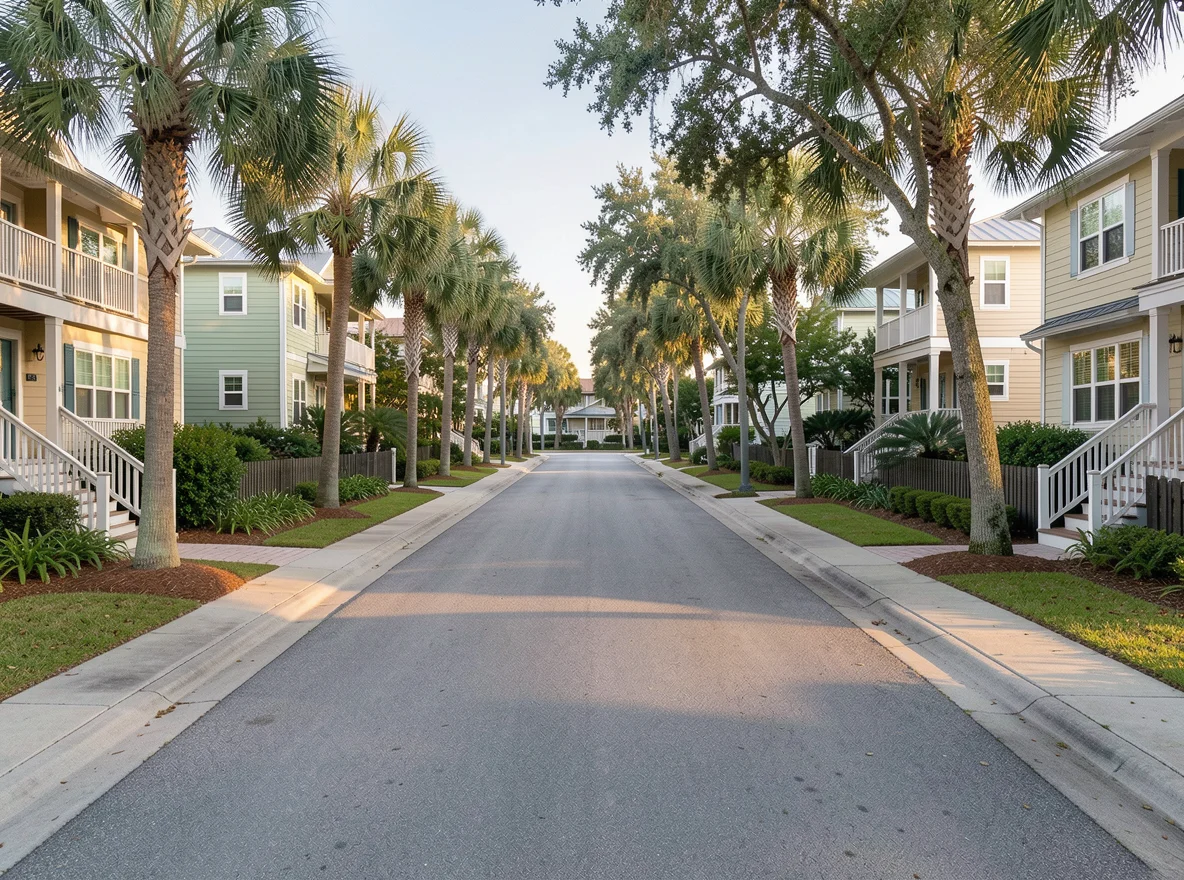
Daily convenience is more than the number of places on a map. Consider where you would shop for groceries, fill prescriptions, exercise, or meet friends, then test the trip from each address on your list. Some errands may be easy to combine with a walk in the district; others may be more practical by car, depending on where you live.
For a fuller picture, visit a potential home during both a busy period and a quieter one. Notice the distance to parking, the condition of sidewalks, the amount of shade, and any sounds from nearby streets or businesses. These observations are specific to the property and can help you compare locations without relying on broad neighborhood descriptions.
The appeal of a location can also affect how sellers present a property. Clear information about its actual distance from the riverfront, nearby amenities, parking arrangements, and building features is more useful than an assumption that every Fort Myers address offers the same experience.
Commutes and Connections
Travel around the area depends on the starting address, destination, time of day, and route. U.S. 41 runs through Fort Myers, while Interstate 75 provides a regional north-south connection farther east. Bridges across the Caloosahatchee are important considerations for trips between Fort Myers and destinations north of the river.
Rather than relying on an advertised drive time, map a potential commute during the hours you expect to travel. Test it in both directions if possible, and allow for changing traffic, weather, and bridge conditions. A property that looks close on a map may involve a different daily routine than one with a more direct route.
LeeTran provides public bus service in Lee County, but routes, schedules, and stop locations vary. If transit is part of your plans, check current service information and walk the route to the relevant stop. For air travel, Southwest Florida International Airport serves the region; estimate your trip from the specific property and at the time you would normally leave.
For cross-river trips, compare the full route to your destination—not just the distance to the nearest bridge.
Comparing Homes and Ownership Costs
The River District and surrounding Fort Myers area include a range of property types, from residences in condominium buildings to single-family homes in established areas. Availability and pricing change, so a current search and a review of recent comparable sales are more helpful than assuming one price point applies across the city.
For a condominium, ask for association documents and review fees, reserves, insurance, rental rules, and any planned assessments. For a single-family home, look closely at the roof, drainage, maintenance history, and condition of major systems. In either case, obtain property-specific insurance quotes and investigate flood risk and coverage requirements before making a commitment.
Buyers who want to consider schools should verify current enrollment options, transportation, and policies directly with the School District of Lee County. Boundaries and assignment procedures can change, so avoid assuming that a particular address guarantees a particular school.
Make Your Visit Count
Whether you are buying or preparing to sell, start with the details that distinguish one property from another: its exact location, condition, costs, and access to the places that matter to you. Spend time in the River District, explore a park, and test your regular routes before drawing conclusions. A thoughtful comparison can turn a pleasant first impression of Fort Myers into a better-informed real estate decision.