

A successful Miami sale starts well before the listing goes live. Strategic repairs, clear records, thoughtful preparation, and photography that captures the home’s strongest features can help buyers understand its value quickly. Use this checklist to focus your time and budget on the details that make a measurable first impression.
Begin With a Clear, Room-by-Room Assessment
Listing prep is most effective when it is practical, not frantic. Start by walking through the property as though you are seeing it for the first time. Make note of items that are visibly worn, incomplete, difficult to operate, or likely to raise questions during a showing. In Miami, buyers often pay close attention to condition because the climate can accelerate wear on exterior paint, roof components, seals, landscaping, air-conditioning equipment, and windows.
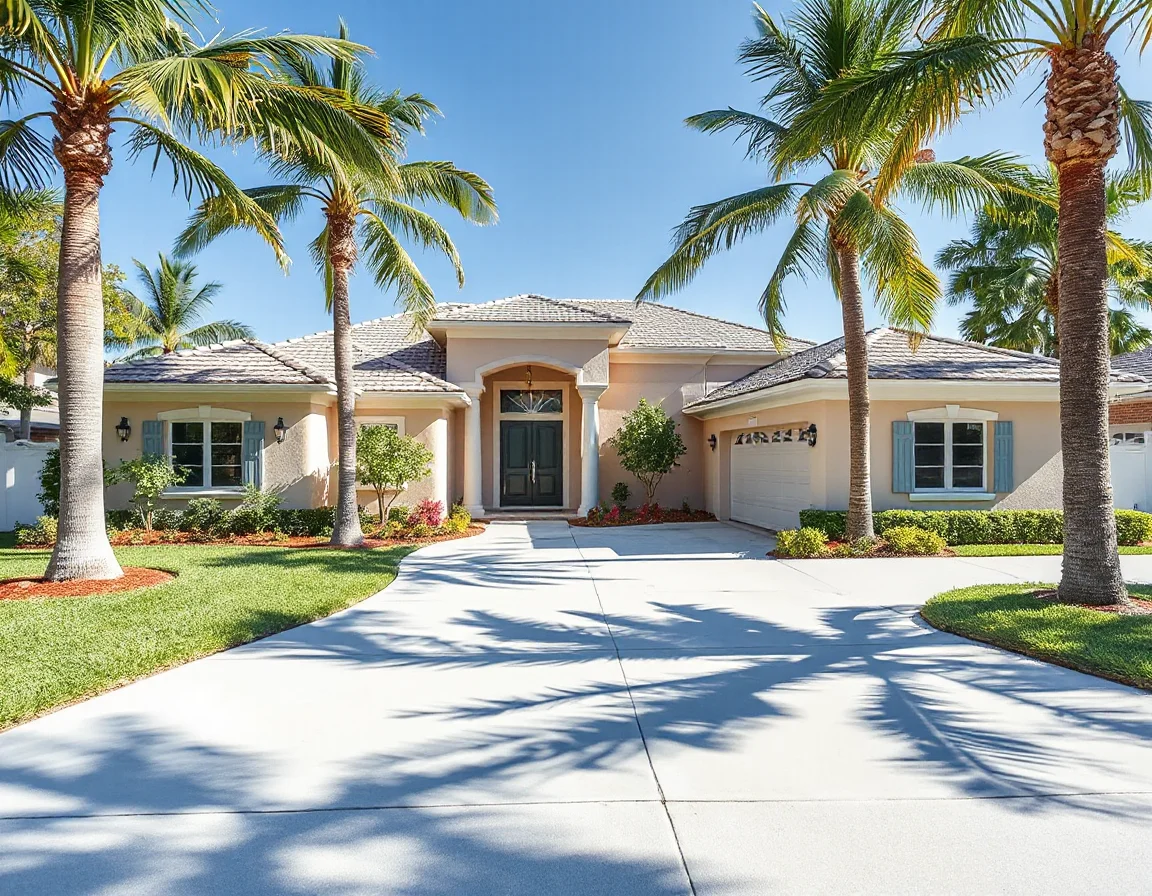
Begin outside. Trim overgrown plants, remove yard debris, pressure-clean walkways when appropriate, touch up peeling paint, and make sure house numbers, exterior lights, gates, and the front entry are in working order. A clean approach to the home helps set expectations before a buyer reaches the door. If there is a pool, patio, balcony, or outdoor living area, clear personal items and make the space easy to understand at a glance.
Inside, focus first on function. Repair dripping faucets, loose cabinet pulls, sticking doors, damaged screens, cracked switch plates, and burned-out light bulbs. Test ceiling fans, smoke alarms, appliances, garage doors, irrigation controls, and air-conditioning settings. Small unfinished items can make a home feel less maintained than it truly is, while a concise repair list demonstrates care and helps the property show with confidence.
Not every project needs to be completed before listing. Major renovations may not match the timing, budget, or likely return for every property. Instead, prioritize visible maintenance, cleanliness, and updates that remove uncertainty. A local real estate professional can help separate improvements that support presentation from projects that may be better addressed through price and disclosure strategy.
Before scheduling photography, create a simple “done” list for every room: lights working, surfaces cleared, repairs completed, and storage areas organized. That final walkthrough often reveals the last details worth addressing.
Prepare Miami-Specific Systems and Documents
Miami homes come with a few property details that buyers commonly want to understand early in the process. Gather records related to roof work, impact windows or shutters, air-conditioning service, water heaters, pool equipment, electrical updates, and permits for completed improvements. Organized documentation does not replace required disclosures or professional inspections, but it can make conversations more efficient and help answer routine questions with less delay.
For condominiums and properties governed by an association, collect the information available to you about monthly fees, assessments, rules, application procedures, parking, storage, and building amenities. If an association or management company provides resale documents, request them early so there is time to review what may be needed. Buyers typically appreciate a property that is presented with clear, factual information rather than assumptions.
Pay attention to storm-readiness features as well. If the home has impact-rated openings, shutters, a generator connection, a reinforced garage door, or other protective improvements, make a list of those features and locate any supporting paperwork. Avoid overstating performance or insurance implications; simply provide accurate details, dates, and records where available. Clear facts give prospective buyers a better foundation for evaluating the home.
Make Each Space Easy to Photograph
Professional listing photos are not merely decoration. They are often a buyer’s first opportunity to understand the home’s layout, natural light, finishes, and outdoor areas. The goal is not to make a property look unlike real life; it is to remove visual distractions so the home’s genuine features can take center stage.
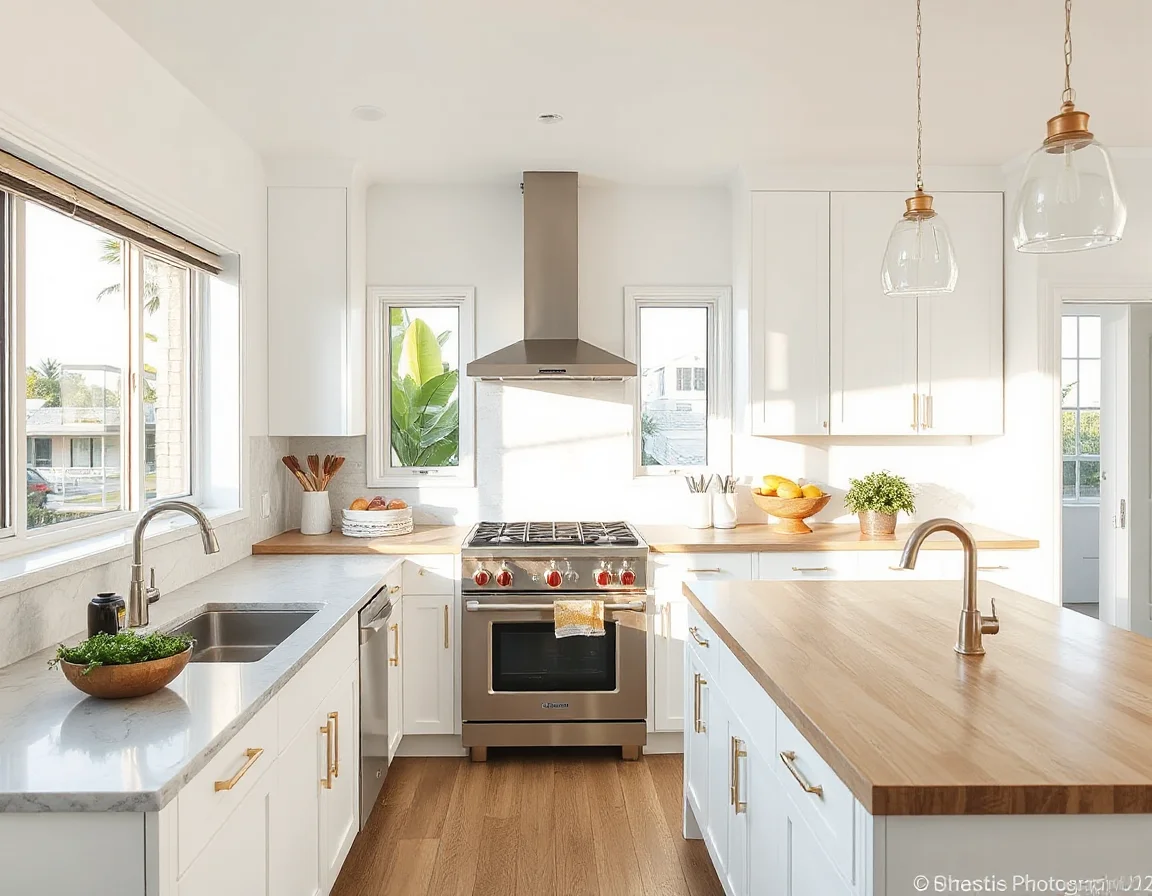
Before photo day, remove magnets, loose papers, countertop appliances, pet items, visible cords, excess toiletries, and heavily personalized decor. Clear kitchen counters except for a few purposeful accents. In bathrooms, put away daily products and replace worn towels with fresh neutral ones. Bedrooms generally photograph best when bed coverings are smooth, closets are edited, and floor space is visible.
Light matters in South Florida. Open blinds and curtains where privacy permits, replace mismatched bulbs, and use consistent light temperatures throughout the home. Clean mirrors, glass doors, windows, and reflective surfaces because they can show streaks or clutter in photographs. If a room has an exceptional feature—a water view, custom built-in, dramatic ceiling, covered terrace, or updated bath—make sure it is accessible and well lit.
Outdoor photos deserve the same preparation as interior images. Arrange patio furniture, skim the pool if needed, remove hoses and bins, and tidy landscaping. Miami’s bright weather can be an asset, but timing matters: a photographer may choose softer morning or late-afternoon light for exterior images. Keep vehicles out of the driveway when possible and make sure the entry is free of packages, tools, and temporary clutter.
Photography should communicate scale and condition, not create surprises. A well-prepared home tends to produce stronger images because the rooms are easier to read, not because they have been over-styled.
Plan for Showings Without Overcomplicating the Process
Once the home is listed, the preparation work should support an easy showing routine. Keep a small basket or bin available for quick pickup of mail, remotes, charging cables, and everyday items. Make beds each morning, wipe kitchen and bathroom surfaces, and check that the temperature feels comfortable before appointments. A consistent routine reduces last-minute stress and helps the property remain ready when interest is highest.
For occupied homes, it is useful to discuss access preferences and showing notice with your agent in advance. A clear plan can balance day-to-day living with the need for buyers to experience the property without unnecessary obstacles. If pets are present, arrange for a comfortable and secure plan during showings, and communicate any access needs factually. Keeping the process organized helps everyone involved move through the home more smoothly.
Finally, review the listing details carefully before launch. Confirm room counts, feature descriptions, upgrades, association information, and any included items. Accurate information is part of strong presentation. The best listing preparation combines appealing visuals with straightforward details, allowing buyers to focus on the home rather than trying to resolve avoidable questions.
Turn Preparation Into a Confident Launch
A Miami home does not need to be flawless to make a compelling impression. It does need to feel cared for, clearly presented, and supported by accurate property information. By concentrating on repairs that buyers can see, records that answer common questions, and photos that show each space at its best, sellers can enter the market with a more deliberate plan.
Start with the projects that improve function and presentation, then let a pricing and marketing strategy guide the rest. Thoughtful preparation can make the listing experience more manageable from the first photo through the first showing and beyond.