

Miami offers a mix that’s hard to ignore: waterfront recreation, well-known dining corridors, major parks, and multiple ways to get around without relying on just one route. If you’re planning a move, understanding how these pieces fit together can help you narrow your search by daily routine, not just by price or square footage. This guide breaks down the practical side of living in Miami so you can picture what everyday life may actually feel like.
What daily life in Miami can look like
Miami attracts attention for its skyline and shoreline, but the real value for many home buyers is how many different lifestyles can fit within one metro area. Some parts of the city put you close to bayfront paths and marinas, while others are more connected to business districts, neighborhood parks, local cultural venues, or major commuting corridors. That variety matters when you are trying to decide whether your next home should support walking access, easier highway connections, time outdoors, or proximity to dining and entertainment.
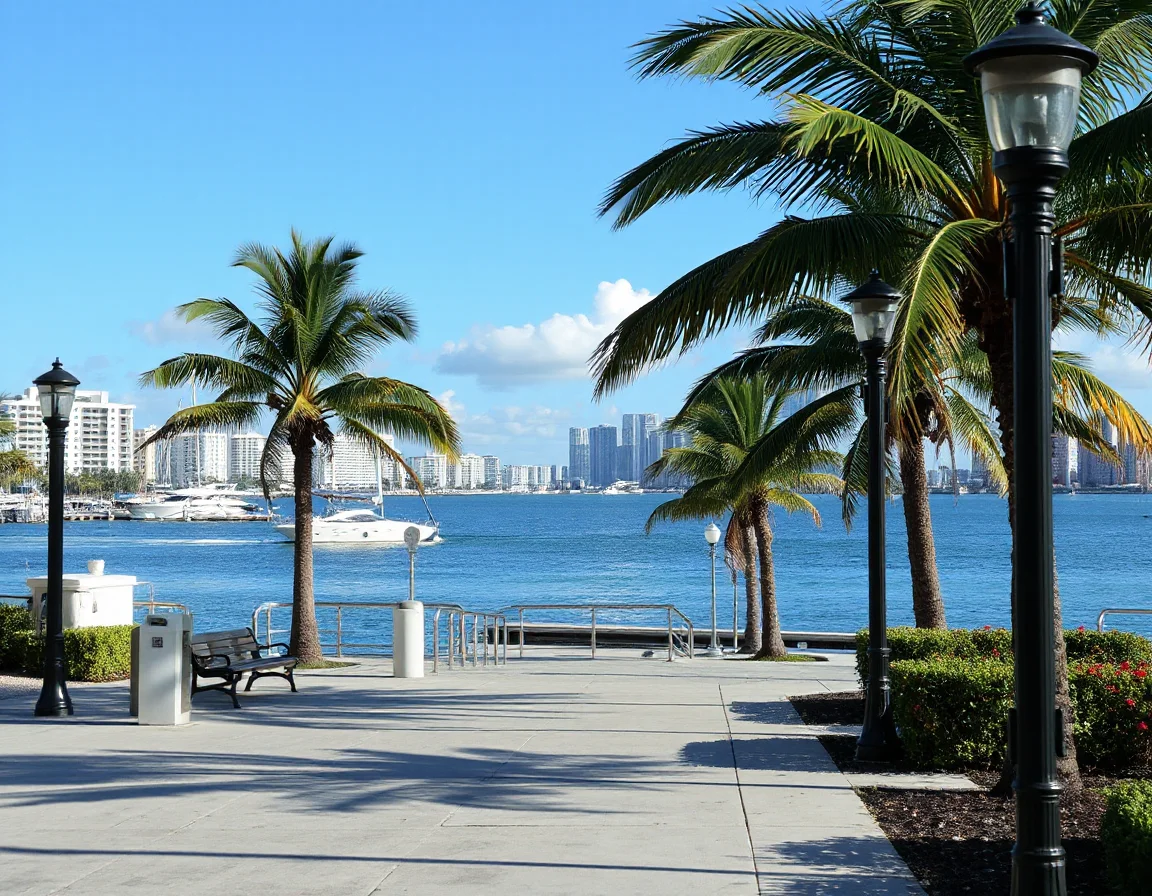
Rather than thinking of Miami as one single experience, it helps to think in layers. There is the urban core, where towers, offices, and transit connections shape the pace of the day. There are waterfront areas where views, boating access, and open air become part of the routine. Then there are residential pockets that offer quieter streets while still keeping major amenities within a manageable drive or transit trip. For buyers, that means the best fit often comes down to the rhythm you want from weekday mornings, weekend afternoons, and evening errands.
Climate is also part of the equation. Warm weather supports year-round outdoor use of parks, trails, waterfront seating areas, and open-air gathering spots. That can make a noticeable difference in how often people actually use neighborhood amenities. A beautiful park on a map becomes more meaningful when it is comfortable to visit in multiple seasons, and a waterfront path can become part of a routine instead of a special-occasion destination.
In Miami, a short distance on the map can translate into a very different daily routine depending on bridge access, traffic patterns, and transit options. Buyers often benefit from comparing neighborhoods by travel time at the hours they actually expect to move around.
Parks and outdoor space add more than scenery
One of Miami’s strongest quality-of-life advantages is the range of public outdoor spaces. Bayfront Park, Museum Park, South Pointe Park, Margaret Pace Park, and many smaller neighborhood green spaces give residents options for walking, jogging, waterfront views, and open-air recreation. Some parks feel tied to the skyline, while others offer a more local, residential atmosphere. If outdoor time matters to you, looking at how often you would realistically visit these spaces is a smart way to refine a home search.
Access matters as much as the park itself. A home that sits a quick drive, bike ride, or walk from a reliable outdoor destination can make everyday life feel more flexible. Morning walks, evening breaks, and weekend recreation are easier to maintain when they do not require a long trip. In Miami, this can be especially appealing in neighborhoods near Biscayne Bay, the Miami River, or larger city parks that offer shade, water views, and space to unwind.

Waterfront access takes that one step further. For some residents, being near a marina, public shoreline, kayak launch area, or bayfront trail is a major reason to move. For others, it is enough to have occasional access to scenic open space without paying a premium for a direct view. Knowing which version matters to you can keep your search focused. Sometimes the right move is not a home on the water, but one with practical access to it.
Buyers should also pay attention to maintenance, programming, and usability. Well-used parks often host fitness classes, art events, or seasonal gatherings, and that can affect both atmosphere and convenience. If your goal is more peaceful green space, one neighborhood park may serve you better than a major destination park. If you want activity and energy nearby, the opposite may be true.
Dining in Miami is part of the city’s identity
Miami’s dining scene is not just wide-ranging; it is built into how many people experience the city. From established culinary corridors to small neighborhood favorites, there is a strong connection between real estate appeal and access to places where people gather for coffee, dinner, waterfront views, and late-night conversation. Brickell, Coconut Grove, Coral Gables, Wynwood, Little Havana, and Edgewater all offer different dining environments, and each shapes the feel of living nearby.
For home buyers, the key question is not simply whether there are popular places to eat nearby. It is whether the surrounding area matches the level of activity you want. Some buyers want the convenience of stepping into an active district with many options close together. Others prefer a residential setting with dining just a short drive away. In Miami, both approaches are possible, and the difference can affect parking, noise levels, foot traffic, and overall pace.
Dining access can also influence resale appeal. Homes with convenient access to established neighborhood amenities often attract attention because buyers can imagine themselves using the area immediately. That does not mean every move should prioritize a restaurant corridor, but it does mean local convenience has real value. Even if you cook most nights, having reliable nearby options for casual meals, takeout, and social outings can make a neighborhood feel more practical.
When comparing two similar homes, nearby everyday conveniences can be the tie-breaker. Consistent access to parks, dining, and routine errands often matters more over time than a single standout feature inside the home.
Transit and commuting deserve a closer look
Miami is often discussed as a driving city, but the transportation picture is more layered than that. Depending on where you live, Metrorail, Metromover, Brightline access, bus routes, bike routes, and walkable street grids can all play a role in reducing commute friction. In neighborhoods tied closely to the urban core, transit can provide a useful backup even for residents who own a car. That flexibility becomes especially valuable when weather, events, or traffic patterns complicate the usual route.
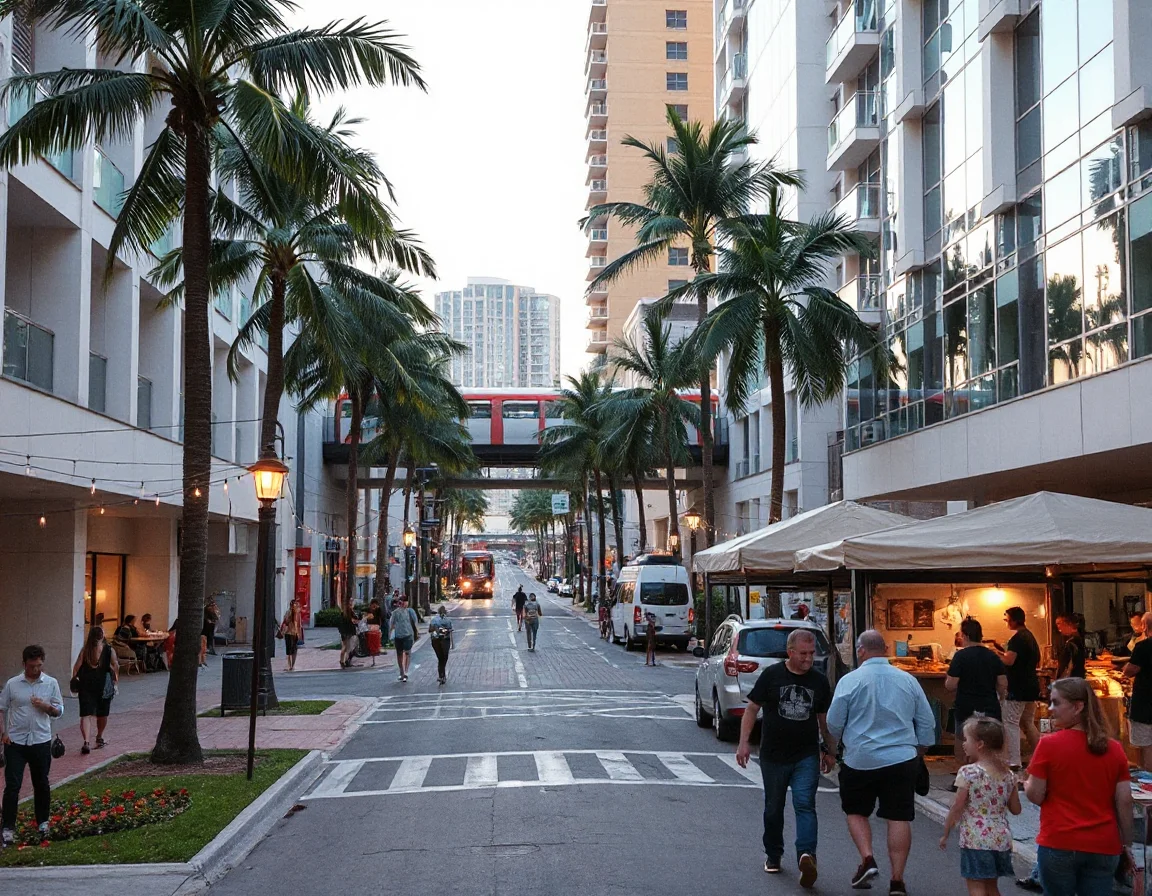
Travel patterns in Miami are highly location-specific. A home that looks close to a job center on a map may still involve a more complicated daily trip than expected, while another property slightly farther away might offer a more predictable commute thanks to road access or transit proximity. Bridge routes, event traffic, and peak-hour congestion can all shift the real experience of getting around. That is why it is useful to test likely routes before committing to an area.
If you work remotely, transit may still matter. Easy access to airports, downtown meeting points, or regional rail can support flexibility even if you do not commute every day. Buyers relocating from other metro areas are often surprised by how much convenience comes from simply having options. Miami rewards people who evaluate not just distance, but transportation resilience.
Parking and building logistics should also be part of the conversation, especially in denser areas. A neighborhood may offer strong walkability and transit access, but if guest parking, loading zones, or building entry procedures are difficult, that can shape the ownership experience. Looking beyond the listing photos and into how movement works day to day can lead to a much better match.
How to use these factors in your home search
The most effective way to search in Miami is to rank your priorities in practical terms. Start with what you want to reach regularly: waterfront access, green space, major employment centers, cultural destinations, transit, or dining. Then compare neighborhoods based on how naturally those priorities fit into a weekly routine. This approach often leads to better decisions than starting with a broad map and trying to force every area into the same checklist.
It also helps to think in tradeoffs instead of absolutes. A property with less direct water exposure may offer stronger transit access. A quieter residential block may still be close to major dining districts by a short ride. A central condo may reduce driving time but involve a smaller layout. Miami offers enough variety that the goal is rarely finding a perfect match on every line item. It is finding the place that best supports how you actually want to live.
For buyers making a move soon, local guidance can make the search much more efficient. Seeing inventory is useful, but understanding how neighborhoods function at different times of day is what turns a search into a strategy. When parks, dining, transit, and waterfront access are all part of the decision, context matters just as much as the home itself.
Miami continues to stand out because it combines lifestyle appeal with real day-to-day utility. If you want a city where outdoor access, dining variety, and multiple transportation options can all play a role in where you live, it offers plenty to explore. The right home is not only about the address. It is about how well that address connects you to the version of Miami you want to enjoy most.