


As we reach the midpoint of 2026, the U.S. real estate market reflects a mix of resilience and adjustment. National home prices are holding steady, but regional divides are widening, with the South experiencing declines while the Northeast and Midwest show strength. Commercial real estate is stabilizing, though sector performance varies significantly. Elevated mortgage rates and cautious seller behavior continue to shape the housing landscape, making it essential for buyers, sellers, and investors to understand the nuanced dynamics driving today’s market.
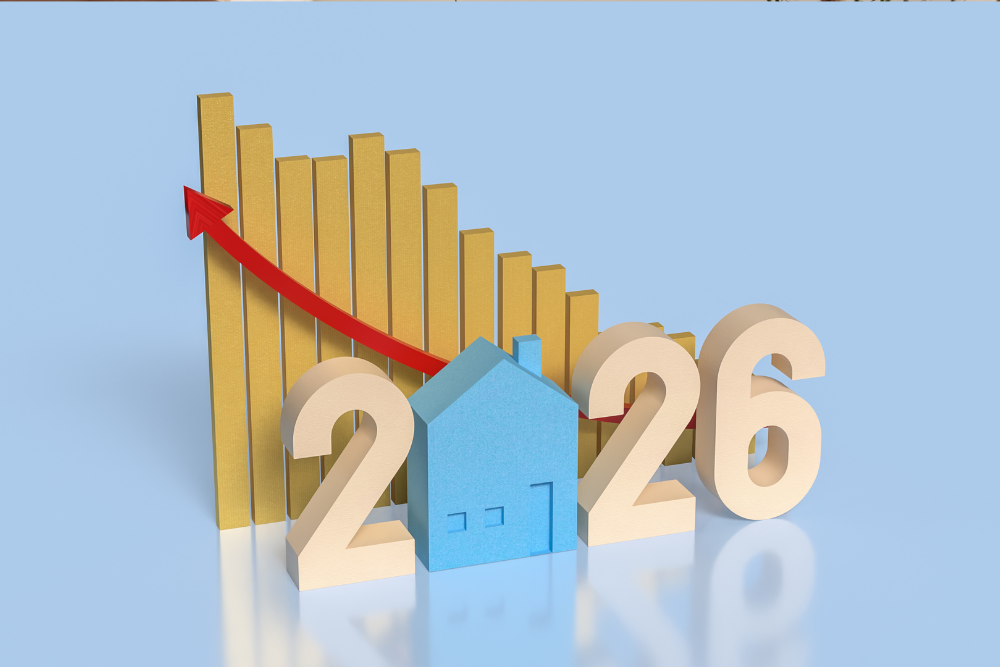
Current Housing Market Trends in the U.S.
- Home Prices: National home prices rose slightly year-over-year, with stronger gains in the Northeast and Midwest, while declines persist in Florida and parts of the South.
- Inventory Levels: Active listings are higher than last year, though growth has slowed compared to early 2026. Sellers remain cautious, but new listings have picked up.
- Time on Market: Homes are selling at the same pace as 2025, suggesting demand is steady despite affordability challenges.
- Mortgage Rates: Elevated rates have disrupted affordability gains from 2025, slowing sales in rate-sensitive markets.

Key Drivers Shaping the Market
- Regional Price Divides: Strong growth in Midwest industrial hubs and Northeast metros contrasts with declines in Florida and parts of California.
- Commercial Real Estate: Transaction volumes are rising, led by senior housing and industrial properties. Office properties remain challenged but attract opportunistic buyers.
- Buyer-Seller Dynamics: Sellers are adjusting expectations, with median listing prices trending lower. Buyers are absorbing supply at a steady pace.
- Economic Outlook: Resilient GDP growth and improved capital markets are supporting confidence in long-term property values.

Market Outlook for the Rest of 2026
- Residential: Expect modest national growth, with appreciation in resilient metros like San Francisco and parts of the Midwest.
- Commercial: Industrial and senior housing sectors will continue to outperform, while office space remains a value-add opportunity.
- Investment Opportunities: Buyers should focus on location resilience, targeting metros with strong fundamentals rather than speculative growth markets.
- Rental Market: Stabilization is expected as affordability pressures push more households toward renting, supporting multifamily demand.

The U.S. real estate market halfway through 2026 presents a cautiously optimistic outlook. While national growth is modest, regional opportunities abound, particularly in resilient Midwest and Northeast markets. Commercial real estate is stabilizing, with industrial and senior housing leading the way.
Looking to invest or buy in 2026? Connect with our real estate experts today to explore tailored opportunities in your target market.