
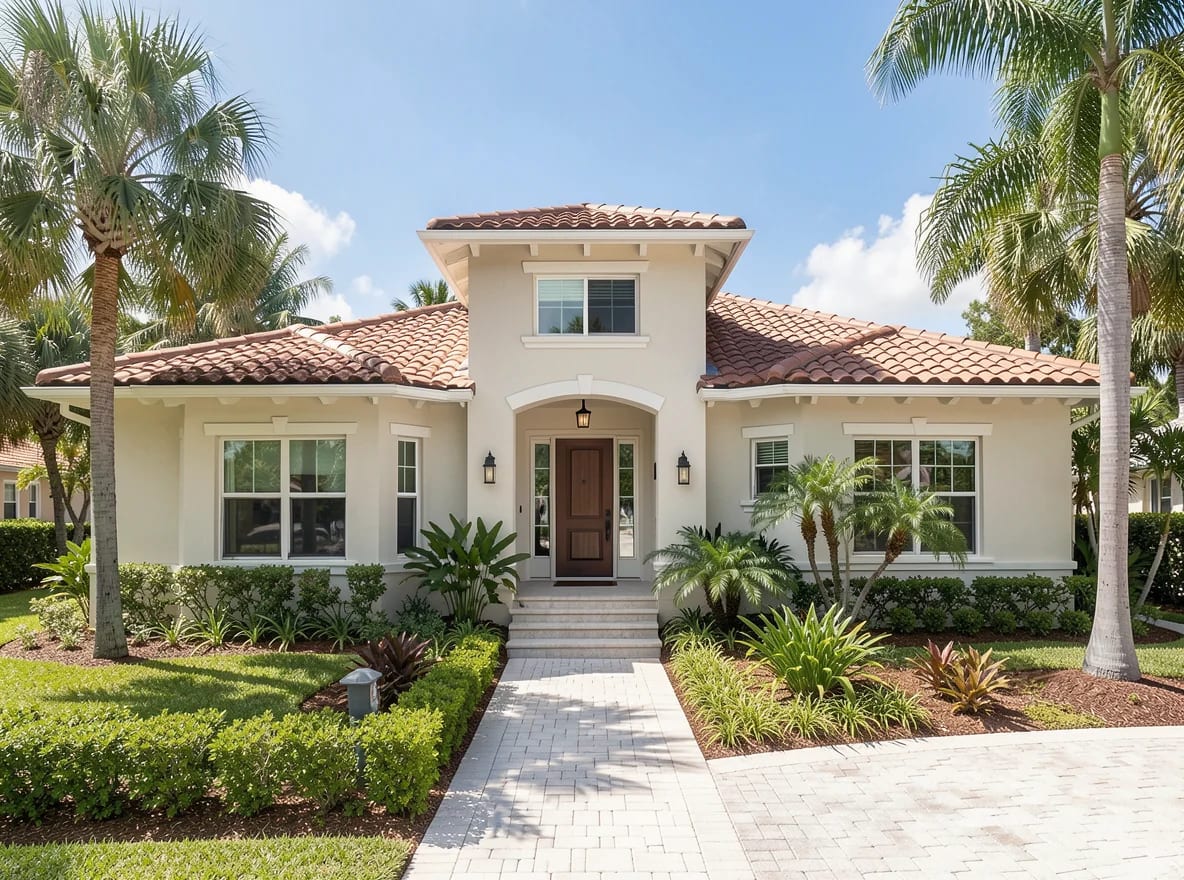
A sound roof, reliable air conditioning, and well-protected windows can make a North Miami Beach home easier to maintain and more appealing to buyers. The best investment depends on the condition of each system, the cost of the work, and how comparable homes are selling. Start with inspections and documentation before committing to a major project.
Start with the systems buyers will ask about
In South Florida, sun, humidity, heavy rain, and storms put a home’s exterior and cooling system to work throughout the year. A fresh coat of paint can make a strong first impression, but buyers also want to understand what protects the home, how it stays comfortable, and what expenses may be ahead.
For sellers, the goal is not necessarily to replace everything before listing. It is to identify meaningful defects, understand their likely cost, and decide whether to repair, replace, or price the home with those conditions in mind. For buyers, the same information can help shape an offer and a realistic ownership budget.
Begin by collecting installation dates, service records, warranties, and any available permit information. Then compare those records with the systems’ present condition. A newer installation is useful to document, but age alone does not establish that a roof, AC unit, or window is functioning as intended.
A documented repair can be more useful to a buyer than a vague promise that a system is “newer.” Keep the invoice, permit record, and warranty details together.
Before spending, ask a local real estate professional how similar homes are presented and priced, and request estimates from qualified contractors. Improvements can support marketability, but no project guarantees that its full cost will be recovered at resale.
Roof: address condition before cosmetic appeal
A roof is often one of the largest potential expenses a buyer considers. Missing or damaged materials, signs of leaks, and an uncertain installation history can lead to questions during negotiations. A professional roof assessment can help distinguish routine maintenance from work that needs prompt attention.
Ask the contractor to explain the condition of the roof covering, flashing, drainage, and any visible areas of water intrusion. If a replacement is recommended, compare written proposals for materials, scope, disposal, permitting, warranty terms, and any potential extra costs if concealed damage is discovered. The lowest quote is not always the easiest one to compare.
Roof age and construction may also affect insurance availability or premiums, but requirements vary by insurer and property. Before assuming a replacement will produce savings, ask an insurance professional to review the home and provide an updated quote. A wind-mitigation inspection may identify features relevant to available credits; eligibility and savings depend on the findings and the policy.
If the roof is still serviceable, targeted repairs and clear records may be a sensible alternative to replacement. If it is near the end of its useful life or has significant damage, a seller should weigh the cost and timing of replacement against the possibility that a buyer will request a credit or adjust an offer.
Air conditioning: comfort, efficiency, and maintenance
Reliable cooling matters in North Miami Beach, but the equipment’s age is only part of the picture. A qualified HVAC contractor can assess the system’s operation, maintenance history, airflow, drainage, and signs of wear. Ask whether a repair is appropriate or whether replacement would better address recurring problems.
When comparing a new system, request a written proposal that explains sizing, efficiency, equipment, installation, and warranty coverage. A properly sized system matters: bigger is not automatically better, and the right choice depends on the home’s characteristics. Ask the contractor how the proposed equipment will address both cooling and humidity.
Maintenance can also make the existing system easier to evaluate. Keep records of professional service, change filters as recommended, and address drainage issues promptly. Utility bills may offer helpful context, but they vary with weather, household use, thermostat settings, and the home’s insulation, so they are not a guarantee of future costs.
Compare an AC replacement estimate with the cost of needed repairs and the expected time you plan to own the home—not just the equipment’s advertised efficiency.
For buyers, an inspection is an opportunity to ask about the system’s condition and potential near-term costs. For sellers, a recent service record can help answer questions without implying that a working unit will remain trouble-free.
Windows: evaluate protection, operation, and installation
Windows affect daylight, comfort, appearance, and the way a home is protected during severe weather. Impact-rated windows may be worth considering, but their value depends on the products selected, proper installation, the rest of the home’s openings, and the buyer’s priorities.
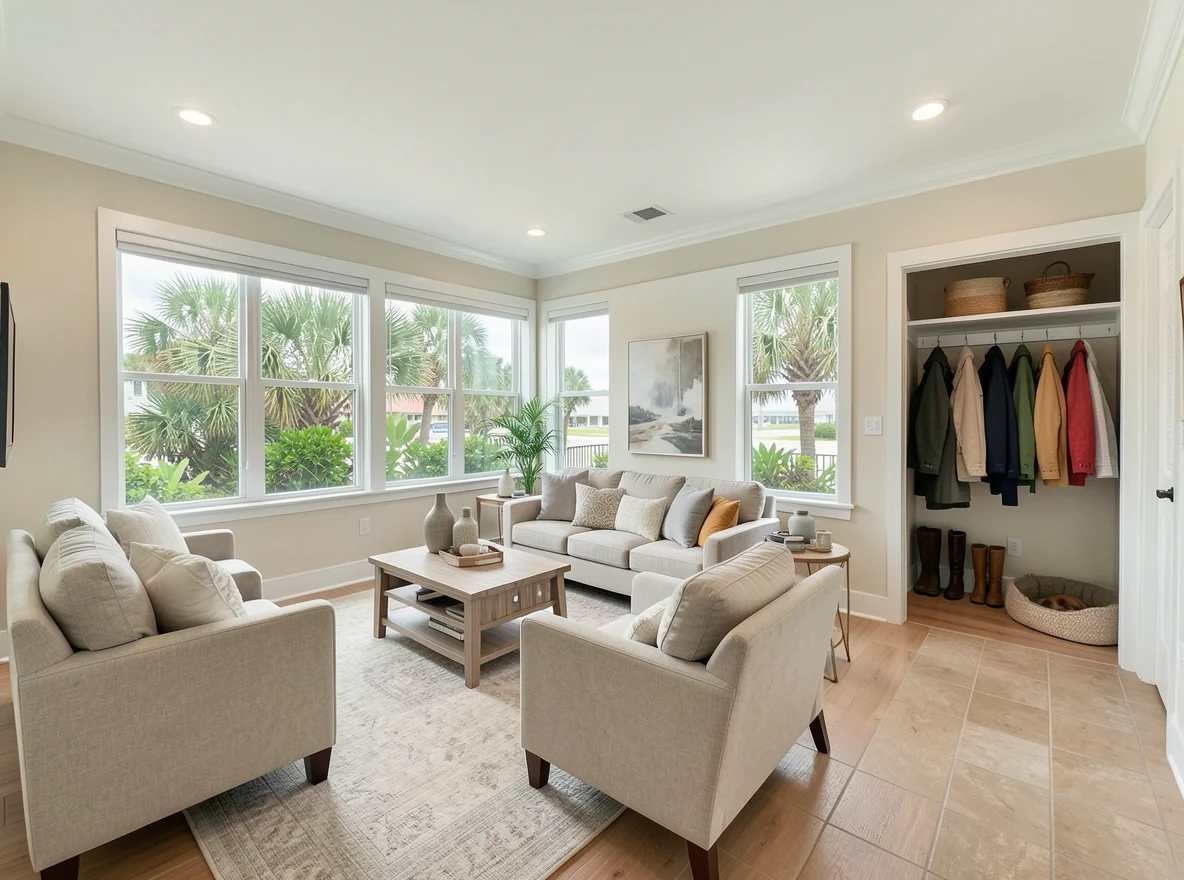
Check whether existing windows open, close, and lock properly, and look for damaged seals, water intrusion, or deteriorated frames. An installer can explain whether individual repairs are practical or whether replacement makes more sense. Request product information and a detailed installation proposal rather than relying on appearance alone.
For storm protection and insurance purposes, do not assume that replacing a few windows protects every opening or automatically qualifies the property for a discount. Ask the installer and insurer how windows, doors, shutters, and other openings will be evaluated together. Keep product approvals, installation records, and permits available for future inspections.
Costs can vary substantially with window size, configuration, materials, and the condition of surrounding walls. Compare equivalent scopes across quotes, including finish work and disposal. If the home is in a condominium or another managed community, check applicable association approvals and responsibilities before ordering or scheduling work.
Choose projects with resale in mind
Think of return on investment as more than a promised percentage. An improvement may reduce a buyer’s concern about an immediate expense, make a home easier to insure, or help it compare more favorably with nearby listings. None of those outcomes is automatic, and they do not necessarily translate into a dollar-for-dollar increase in sale price.
To prioritize, list the condition, estimated repair or replacement cost, and urgency of each system. Resolve active leaks or other significant problems first. Next, compare the remaining projects with your budget and timeline. A seller preparing to list soon may make different choices from an owner who expects to enjoy the home for several more years.
Ask your real estate professional to review relevant comparable sales and current competition. Look beyond whether another home has “impact windows” or a “new roof”: consider its overall condition, location, size, and sale terms. This helps put the proposed work in context without assuming every feature carries a fixed premium.
Confirm permits and keep a project file
Before work begins, verify contractor licensing and insurance, and ask the appropriate building department about permit and inspection requirements for the property and project. Requirements can change, so confirm the current rules rather than relying on an old quote or a neighbor’s experience. Make sure the contract identifies who will obtain permits and arrange required inspections.
Save the final contract, paid invoices, inspection results, equipment specifications, product approvals, and warranty information. Check whether any warranty can transfer to a future owner and what conditions apply. If you are buying, request available records and allow your inspector and insurance professional to evaluate them independently.
Whether you are planning a sale or settling into a purchase, the strongest upgrade decision starts with the home in front of you. A clear assessment, comparable bids, and thoughtful documentation can help you spend on the work that matters most—and discuss the property’s condition with confidence.