

A home inspection is one of the clearest ways to turn an exciting Deerfield Beach property into a well-informed purchase decision. From roof age and storm protection to plumbing, cooling, and moisture, a careful review can help you understand the home’s current condition, likely maintenance needs, and questions worth resolving before you submit an offer.
Start With the Inspection Mindset
In Deerfield Beach, a property can look polished at first glance and still have systems that deserve a closer look. Salt air, intense sun, seasonal rain, humidity, and storm exposure all influence how homes age in South Florida. An inspection is not designed to make a house “pass” or “fail”; it is a practical snapshot of visible conditions on the day an inspector visits.
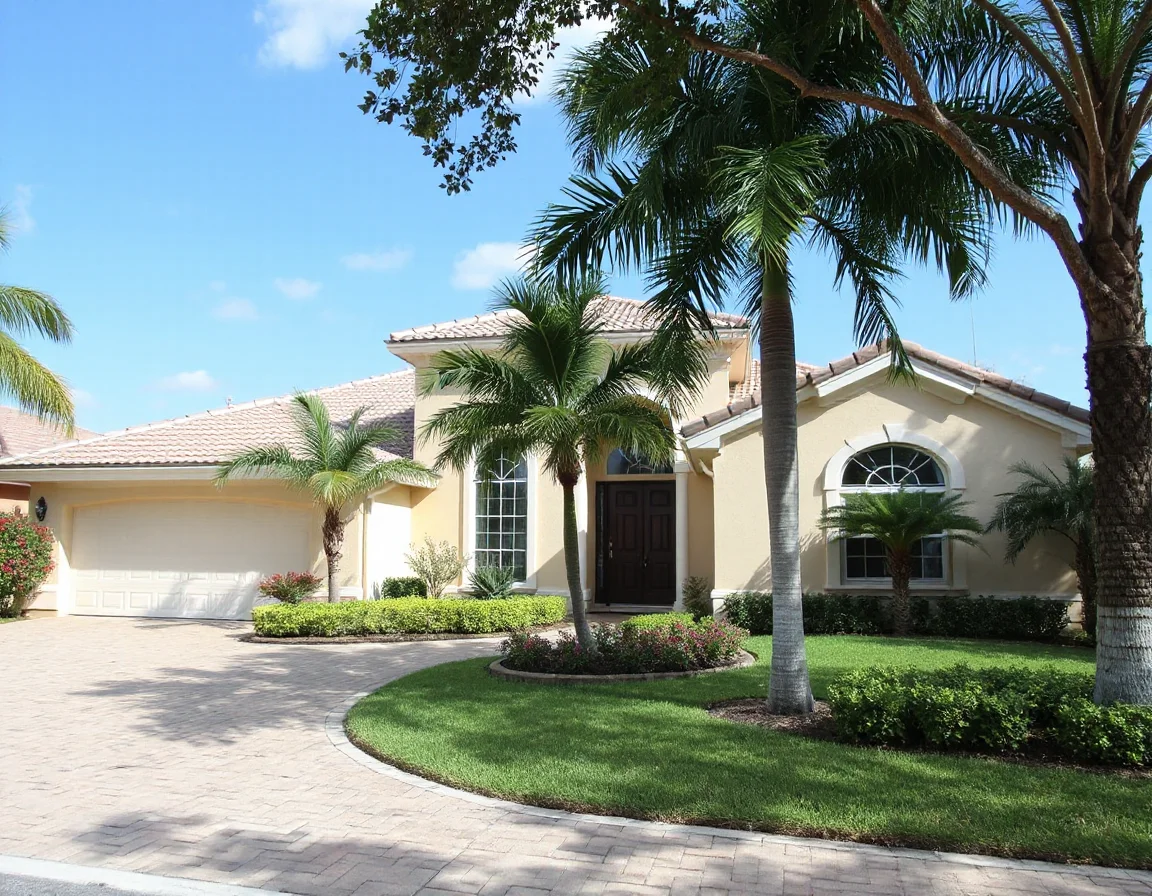
Before you make an offer, think of the inspection process as part of your due diligence rather than a last-minute hurdle. A qualified, licensed inspector can identify readily observable concerns and help you build a more complete picture of the property. You may also decide that specialized evaluations are appropriate for particular systems, such as the roof, electrical panel, pool equipment, sewer line, or HVAC.
It helps to attend the inspection when possible. Walking through the property with the inspector gives you context that a written report alone may not provide. You can ask where shutoff valves are located, how old major equipment appears to be, whether visible cracking is typical settlement or needs further evaluation, and which maintenance items should be addressed sooner rather than later.
A detailed inspection report is most useful when you separate immediate safety or water-intrusion concerns from routine maintenance and long-term planning items.
Keep expectations realistic. Most homes, including well-maintained ones, will generate a list of observations. The goal is not a perfect report. The goal is to understand the scope, urgency, and probable cost of issues so that your offer strategy, repair requests, and future budget are grounded in facts.
Pay Close Attention to Roofs, Windows, and Water Management
Roof condition deserves early attention in a coastal South Florida purchase. Ask about the roof’s approximate age, material, permit history when available, visible wear, flashing, penetrations, drainage, and any signs of prior repairs. A home inspector can flag conditions that warrant a dedicated roofing professional’s opinion, particularly if there are active stains, damaged materials, or uncertainty about remaining useful life.

Windows and exterior openings are another important part of the conversation. Many buyers want to know whether a property has impact-rated windows and doors, shutters, or another recognized storm-protection system. Documentation matters here. Ask the seller or listing representative for permits, product approvals, warranties, and any available wind-mitigation documentation. A home inspector may observe visible features, but an insurer or specialist may require specific records.
Water moves quickly during heavy rain, so look beyond the interior. Grading, gutters, downspouts, roof drainage, patio surfaces, window seals, exterior caulking, and the condition of doors can all affect how water is managed around a home. Inside, inspectors commonly look for staining, elevated moisture readings in select areas, deteriorated finishes, or other indicators that deserve more investigation.
For properties close to the ocean or Intracoastal Waterway, salt exposure can accelerate corrosion on exterior hardware, railings, air-conditioning components, fencing, garage-door mechanisms, and pool equipment. This does not automatically signal a major problem, but it makes regular maintenance and careful review especially valuable. Ask which visible components may need cleaning, sealing, servicing, or replacement over time.
Search Deerfield Beach listings
Review the Systems That Keep the Home Comfortable
South Florida cooling systems work hard for much of the year, which makes HVAC a major inspection focus. Note the age of the condenser and air handler, filter condition, visible refrigerant-line insulation, drainage setup, and whether the system is cooling at the time of inspection. If the equipment is older or performance is uncertain, a separate HVAC technician can provide a more detailed assessment and service estimate.
Plumbing merits the same level of attention. Ask about the visible supply lines, water heater age, drainage, fixtures, shutoff valves, and signs of leaks beneath sinks or around toilets. In older properties, the type and condition of supply and drain piping can influence future maintenance planning. If slow drains, recurring backups, or older sewer connections are suspected, a sewer-scope inspection may provide useful information before contingencies expire.
Electrical evaluations should include the main panel, visible wiring, outlets, grounding, and installed safety devices where accessible. An inspector may identify outdated components, open junction boxes, double-tapped breakers, or other visible conditions that should be reviewed by a licensed electrician. Electrical updates can vary greatly in scope, so request estimates from qualified professionals instead of relying on assumptions.
Do not overlook appliances, irrigation, garage doors, water-treatment equipment, generators, and pool systems when they are part of the sale. Confirm what is included, test what can be tested, and ask for service records where they exist. A pool inspection can be particularly helpful for evaluating visible equipment condition, circulation, surfaces, and safety-related components.
Condo and Townhome Buyers Have Additional Questions
For a condominium or townhome, the inspection should focus on the individual unit while your contract review also considers the association’s documents and property-level responsibilities. Review the association budget, reserves, recent meeting minutes, insurance information, rules, special-assessment history, and any planned major work. These documents can clarify whether projects involving roofs, exterior surfaces, elevators, common plumbing, or other shared components are being discussed.
Inside the unit, pay close attention to windows, balcony doors, visible moisture near exterior walls, flooring transitions, electrical panels, air-conditioning equipment, and plumbing fixtures. Balconies and exterior elements may be maintained by the association, but it is still important to understand their visible condition and any work already scheduled. Ask for clarity about what belongs to the owner and what falls under association maintenance.
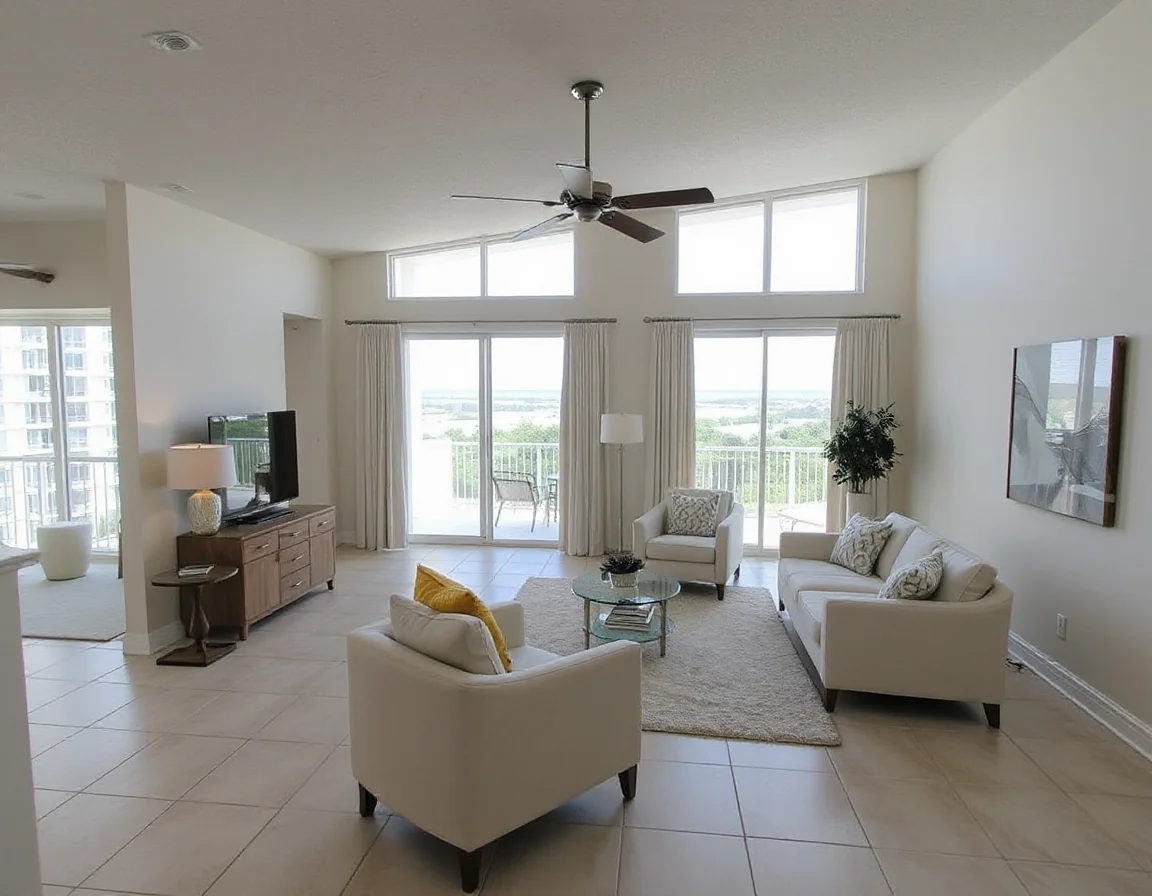
Insurance availability and cost can also affect overall ownership expenses. Your insurance professional can explain the coverage options and documentation needed for the property type, while your lender can explain requirements tied to financing. Starting these conversations early gives you more time to compare information before making final decisions.
Use the Results to Make a Clear Offer Decision
After the inspection, review the report carefully and prioritize the findings. Conditions involving active leaks, electrical hazards, structural concerns, roof performance, significant moisture, or malfunctioning mechanical systems generally deserve prompt follow-up. Cosmetic wear, aging fixtures, and routine upkeep may still matter, but they are often better treated as budget items rather than deal-breakers.
When repair discussions are appropriate, be specific. Request relevant documentation, licensed contractor evaluations, estimates, or targeted repairs rather than making broad requests based on a lengthy report. Your real estate professional can help you navigate timing, contract deadlines, and communication with the seller while keeping the process organized.
Deerfield Beach offers a distinctive mix of coastal access, parks, golf, waterfront settings, dining destinations, and varied housing options. The right inspection process lets you appreciate those advantages while taking a measured look at the property behind the curb appeal. With good questions, qualified professionals, and enough time for follow-up, you can move forward with a stronger understanding of the home you are considering.