

Thoughtful hurricane preparation can do more than help a Miami property weather a storm: it can reduce avoidable repair costs, support insurance conversations, and make a home easier to evaluate when it is time to sell. The strongest plan starts with the building envelope—roof, openings, drainage, and exterior systems—then documents every improvement for future buyers and insurers.
Start With the Systems That Keep Water and Wind Outside
In Miami, hurricane prep is most effective when it focuses first on the parts of a home that form its protective shell. A well-maintained roof, securely protected windows and doors, clear drainage paths, and properly anchored exterior components all work together. Small gaps in this shell can become expensive quickly when wind-driven rain finds a way inside, so it is worth addressing maintenance items before storm season rather than during a rushed warning period.
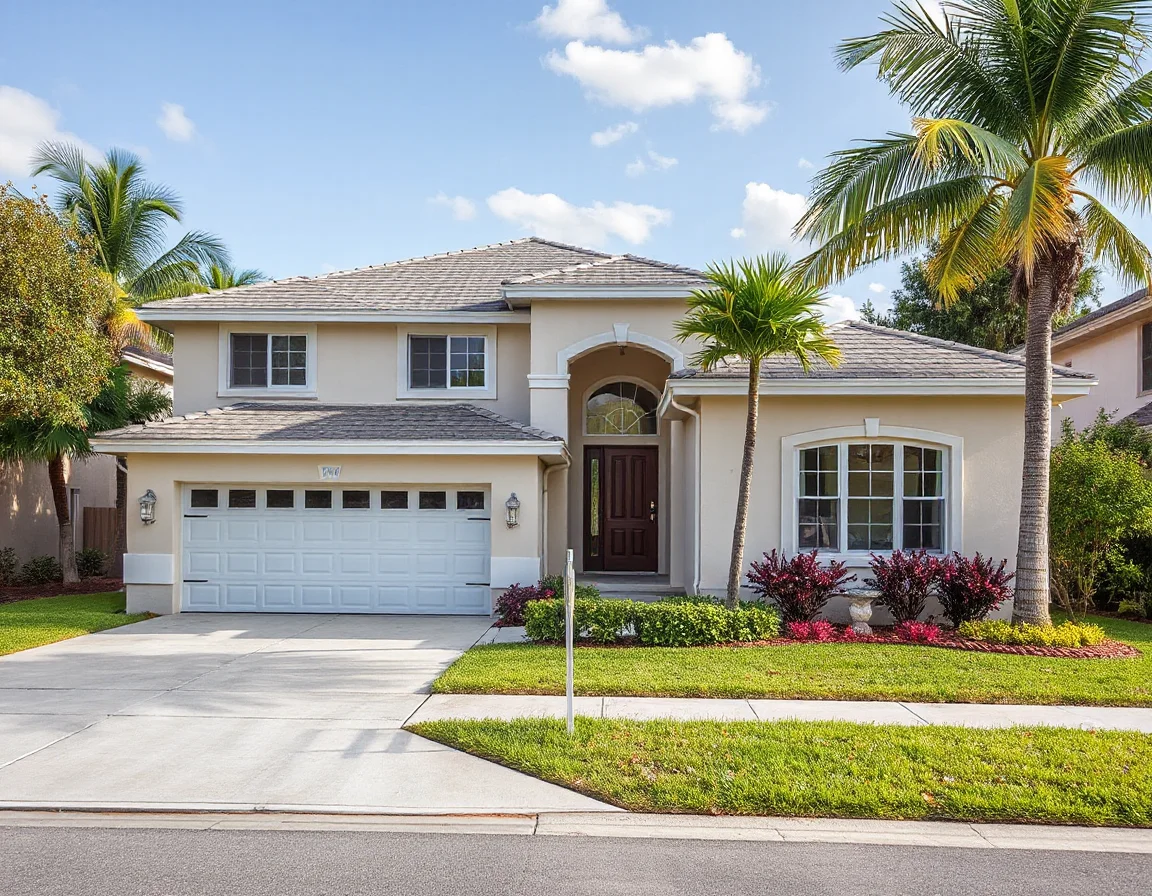
Roof condition is a practical first checkpoint. Review the roof’s age, visible wear, flashing, vents, fasteners, and any history of leaks with a qualified roofing professional. Keep invoices, permits, warranties, inspection reports, and photographs in one digital folder. Those records can be useful when scheduling maintenance, discussing coverage, or presenting the home’s upkeep clearly during a future sale.
Windows, exterior doors, garage doors, and shutters deserve the same attention. Impact-rated windows and doors, code-compliant shutter systems, or other approved opening protections may help reduce the chance of breach during severe weather. The right choice depends on the property, budget, existing construction, local requirements, and professional guidance. Avoid assuming that every product labeled “storm ready” meets the applicable standards; request product approvals and installation documentation.
A hurricane upgrade has more long-term value when the paperwork is as complete as the installation: save permits, product approvals, paid invoices, warranties, and before-and-after photos in one accessible file.
Garage doors are sometimes overlooked, yet they cover a large opening and can be vulnerable to pressure changes. A qualified contractor can assess whether the existing door, track system, and reinforcement meet current needs. If replacement is appropriate, ask about wind-load ratings and required permits. The same mindset applies to exterior entry doors, roof-mounted equipment, and screened enclosures: secure components according to manufacturer instructions and local code rather than relying on temporary fixes.
Make Drainage and Exterior Maintenance Part of the Plan
Miami’s heavy rain can test a property even outside a named storm. Water should move away from the structure through functioning gutters where installed, downspouts, grading, drains, and maintained swales. Keep roof drains and yard drainage areas free of leaves and debris, and investigate standing water that persists after rainfall. A drainage professional can help identify whether a concern is a routine maintenance issue or a larger site-design question.
Landscape preparation also protects both the property and the time invested in it. Trim dead or damaged branches, remove loose yard items before a storm, and review the placement of planters, patio furniture, décor, and outdoor equipment. Trees should be evaluated by a qualified arborist when there are signs of disease, structural weakness, or limbs near the roof or utility lines. This work is not only about appearance; it can reduce the likelihood of impact damage and simplify last-minute preparation.
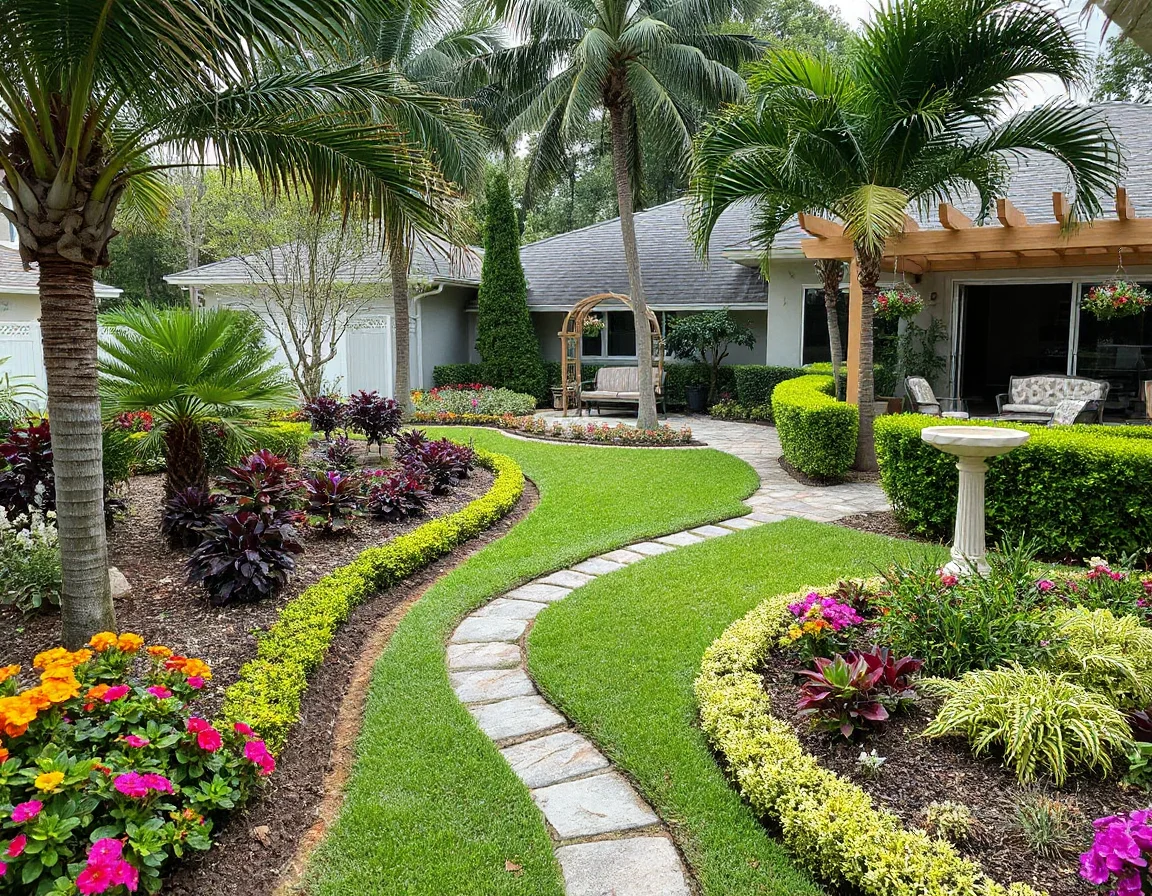
Look beyond the lawn as well. Pool equipment, exterior HVAC components, fencing, gates, solar equipment, and generators all have specific maintenance and securing needs. Do not strap down, disconnect, cover, or operate equipment in a way that conflicts with manufacturer instructions or safety guidance. For electrical, gas, roofing, and structural work, use appropriately licensed professionals and confirm whether permits or inspections are required in Miami-Dade County or the relevant municipality.
It is also smart to create a simple storm-readiness inventory. Photograph major rooms, systems, appliances, and exterior conditions before hurricane season. Store copies of insurance information, contractor contacts, receipts, and important property documents in cloud storage and a waterproof container. If a weather event occurs, clear documentation can help establish a timeline and support more organized conversations with insurers, contractors, and repair professionals.
Clear drainage paths and a documented pre-season exterior check can be just as valuable as a large renovation, especially when they help prevent recurring moisture issues from becoming visible defects.
Choose Upgrades With Ownership Costs in Mind
Not every hurricane-related project delivers the same return, and the best decision is usually a balance of resilience, maintenance, insurance considerations, energy performance, and resale presentation. Impact-rated windows may offer everyday benefits such as noise reduction and improved climate control in addition to storm protection. A newer roof can improve confidence in the building envelope, while a properly installed backup power solution may support essential systems during an outage. The appropriate priority list will vary by property condition and available budget.
Before committing to a major upgrade, obtain detailed written scopes from qualified contractors. Ask what materials will be used, which approvals apply, whether permits are included, how warranties work, and what maintenance is required after installation. Compare more than the headline price. A lower estimate that excludes permits, structural work, debris removal, or required electrical upgrades can become more costly once the project begins.
Insurance is another reason to plan ahead. Certain wind-mitigation features may be relevant to underwriting or premium discussions, but homeowners should verify potential savings directly with their insurance carrier or agent. Requirements vary by policy and may change over time. A wind-mitigation inspection, when appropriate, can provide a clear picture of qualifying features already present and help identify which improvements may be worth considering.
Get a home value perspective before planning major upgrades
Present Hurricane Readiness Clearly When Selling
When a Miami home comes to market, buyers often look closely at roof age, window protection, drainage, visible maintenance, and the availability of records. There is a meaningful difference between simply stating that a property has been maintained and showing organized evidence of that care. A concise upgrade list can include installation dates, contractor names, permits, warranties, wind-mitigation reports, transferable service plans, and notes about ongoing maintenance.
Be accurate and specific in marketing and disclosure materials. Rather than making broad claims about storm performance, identify verifiable features such as impact-rated openings, a permitted roof replacement, a reinforced garage door, or an installed generator system. If documentation is unavailable, avoid guessing. Clear, factual information helps prospective buyers evaluate the property on its own merits and can reduce uncertainty during inspections and negotiations.
Hurricane preparation is not a one-time project. Schedule an annual review before the most active part of the season, revisit your emergency supplies, inspect exterior components, and update property records after each improvement. By treating preparedness as routine ownership rather than an emergency expense, Miami homeowners can protect their investment, manage maintenance more deliberately, and create a stronger record of stewardship for the future.
Talk with Sam Fugina about preparing your Miami home for the market