

Buying a Miami condo involves more than finding the right view and floor plan. Lenders often look closely at the building itself, and a condo review can affect loan approval, down payment requirements, timelines, and even which financing options are available. Understanding those steps early can help buyers compare properties more confidently and avoid surprises late in the transaction.
Why condo financing works differently in Miami
Condo purchases in Miami often move on two tracks at once: the buyer qualifies for the loan, and the building must also meet the lender’s standards. That second layer matters because a lender is not only evaluating income, assets, credit, and debt ratios, but also the financial and legal condition of the condominium association. In a market with high-rise towers, waterfront buildings, older communities, and newer developments all competing for attention, those building-level details can shape the deal just as much as the unit itself.
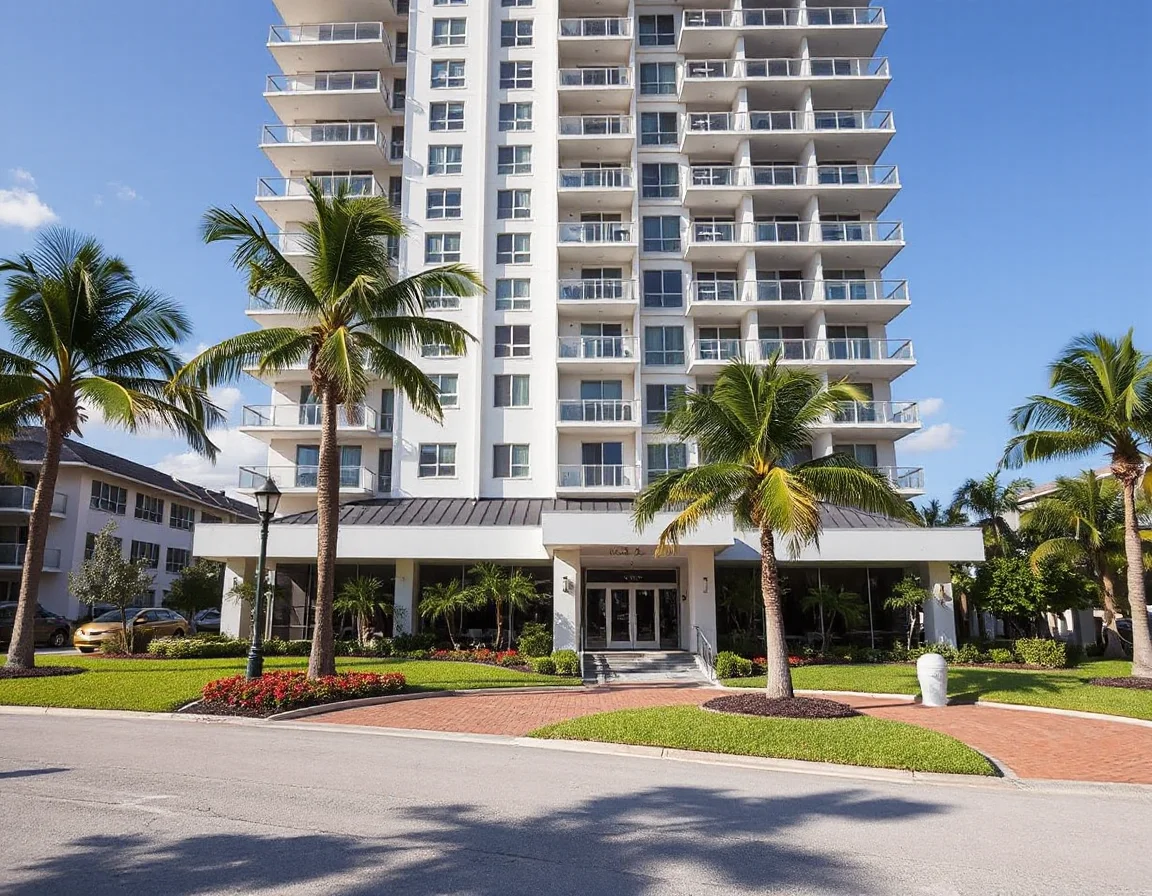
For buyers, that means the most appealing unit on paper is not automatically the easiest one to finance. A building may have attractive amenities, a strong location, and recent upgrades, but if the association’s budget, reserve funding, insurance coverage, or owner-occupancy mix does not fit a lender’s guidelines, the financing path can narrow. Some buildings are considered straightforward, while others may require a deeper review or push buyers toward specific loan products.
Miami buyers should also expect condo lending standards to shift with market conditions. Insurance costs, reserve requirements, maintenance history, and deferred repairs have all become bigger talking points in recent years. Because of that, it helps to ask financing questions before writing an offer, not after inspections and underwriting are already underway.
A condo that appears affordable at first glance can become more expensive if the building only qualifies for financing with a higher down payment or a different loan program.
What a lender reviews in the building
When a lender orders a condo review, the goal is to understand the association’s overall health and risk profile. That can include the building questionnaire, budget, reserve allocation, insurance certificates, pending litigation, special assessments, delinquency rates on association dues, and the percentage of units that are owner-occupied versus tenant-occupied. In some cases, the lender may also want details on recent structural reports, planned repairs, or the concentration of ownership if a small number of parties own many units.
These items matter because they help lenders evaluate whether the association is operating in a stable, sustainable way. A building with strong reserves, current insurance, and manageable maintenance obligations may present fewer underwriting concerns than one facing major repairs without a clear funding plan. Likewise, litigation is not always a deal breaker, but the type of lawsuit and its financial implications can affect loan eligibility.
Buyers are sometimes surprised to learn that two units in different buildings at the same price point can produce very different financing outcomes. One may qualify for conventional financing with competitive terms, while the other may require a non-warrantable condo loan or a portfolio lender willing to evaluate the property case by case. That is why experienced buyers often compare not only association fees and amenities, but also the building’s likely financeability.
Common financing issues that can slow a purchase
Several building-related issues come up repeatedly in condo transactions. One is inadequate reserves in the association budget. Another is a large special assessment, especially if the purpose is tied to major structural, waterproofing, or life-safety work. Lenders may also pause when too many owners are behind on dues, when insurance coverage appears thin relative to the building’s needs, or when commercial space makes up too much of the project.

Another factor is timing. Condo reviews can take longer than financing for a detached home because third-party documents must be collected from the association or management company. If those records are slow to arrive, underwriting can stall even when the buyer has already submitted every personal document requested. This is one reason purchase contracts for condos should reflect realistic review periods and financing timelines.
Buyers should also pay attention to older buildings where recent repair requirements, recertification work, or reserve studies may be influencing budgets and monthly fees. Higher fees do not automatically mean a bad building; in many cases they reflect active maintenance, robust services, or long-term planning. The key is understanding what the dues cover and whether the association’s financial strategy aligns with the lender’s expectations.
The fastest condo closings usually happen when the unit, the association documents, and the buyer’s financing profile are all organized before underwriting asks for them.
In practice, that means buyers benefit from asking direct questions early: Is the building approved with major lenders? Are there current or upcoming special assessments? Have reserve contributions changed recently? Is there pending litigation? Those answers can help shape a stronger offer strategy and reduce the risk of scrambling mid-transaction.
How buyers can prepare before making an offer
Preparation starts with the loan conversation. Before touring condos seriously, buyers should understand their target monthly budget, estimated cash to close, and whether they are best suited for conventional, jumbo, FHA-ineligible alternatives, or portfolio financing. In Miami’s condo market, that clarity helps narrow the field quickly because some buildings fit certain products better than others.
It also helps to request association information as early as possible. While complete lender review documents may come later, listing agents or sellers can often provide useful clues upfront, such as current monthly dues, special assessment details, budgeting patterns, and management contacts. Buyers who review those items early are usually in a better position to compare buildings, not just individual units.
Another practical step is building a cushion into both budget and timeline. Condo transactions can involve application fees, association approval fees, move-in deposits, and document charges that do not always appear in the initial mortgage estimate. On top of that, the lender may need extra days for the condo review itself. Buyers who plan for those variables tend to move through the process with less stress.
Talk through your condo buying plans
What to watch in the final stretch
Once a property is under contract, staying responsive matters. Lenders may update document requests if the condo questionnaire raises new questions, and buyers should be ready to provide any personal financial items quickly so the file does not lose momentum. At the same time, the title company, association, lender, and agents may all be coordinating deadlines around approvals, insurance, estoppels, and closing disclosures.

It is also wise to read association materials carefully rather than treating them as routine paperwork. Budgets, rules, planned repairs, and meeting notes can reveal how the building is being operated and what expenses may be on the horizon. That information is useful whether a buyer plans to occupy the condo, hold it long term, or simply wants a clearer picture of ownership costs beyond principal and interest.
Miami offers an enormous range of condo options, from boutique buildings to amenity-rich towers and established communities with mature landscaping and strong locations. The smartest approach is to pair excitement about the property with a clear understanding of the financing path. When buyers know how condo reviews work, they can evaluate units more strategically, negotiate with better information, and move toward closing with fewer unexpected detours.
In short, a condo review is not just a lender formality. It is one of the key checkpoints that helps buyers measure risk, confirm affordability, and choose a property that fits both lifestyle goals and financing reality.